
Bilingual SEO in the Valley: English, Spanish or Both?
Most Valley businesses do best with separate English and Spanish pages, each written natively, starting with the three pages that bring in the most customers.
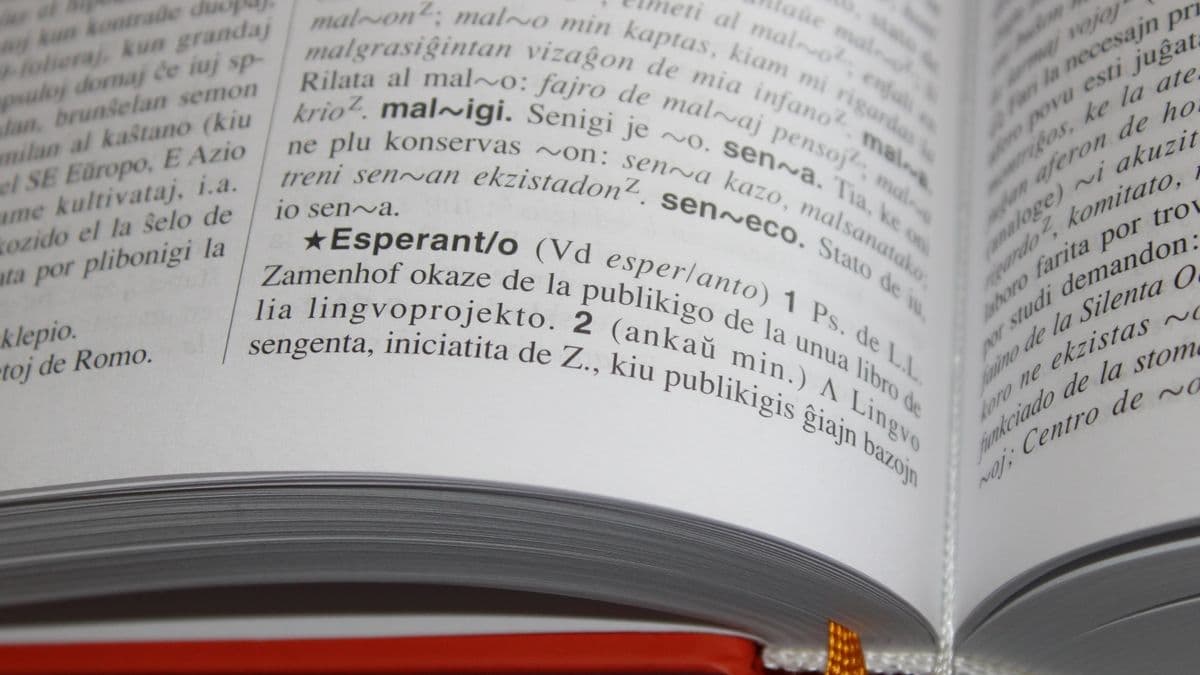
A Valley business does not have to pick one language. The usual best answer is separate pages in each one, with the Spanish written by a fluent person instead of run through a translator, starting with the three pages that bring in the most customers. This guide is part of our look at SEO in McAllen and the Valley.
How do people in the Valley actually search?
In English, in Spanish and in a mix of both, sometimes in the same household. Say a mother in Mission searches "dentista para niños en McAllen" to find a dental office on 10th Street, while her daughter, on her own phone, searches "kids dentist near 10th Street." A business with pages in only one of them gives Google less to match for the other search.
No general figure tells you how your customers split, and this post does not offer one. Your records can. Ask your front desk which language the first call arrives in, read your texts and web forms from the last two months, and note the language of your reviews.
The gap can also run the other way. Say a taquería in Edinburg has a Spanish menu and crew, and its missing pages are in English. The 10 questions your customers ask AI includes a language question you can fill in for your own service.
Why is one page in two languages a poor answer?
The tempting shortcut is one page with English on top and Spanish underneath, or two columns side by side. A Spanish-speaking customer scrolls past a screen of English to find their part.
Google's documentation for multilingual sites points the other way. Google Search Central says Google uses the visible content of a page to work out its language, and it advises a single language for content and navigation on each page, with no side-by-side translations.
The alternative is one web address per language. Your English plumbing page lives at one address and its Spanish twin at another, such as yourcompany.com/es/plomero-pharr. Google recommends different URLs for each language version rather than cookies or settings that change the language on one address.
To tell Google the two pages belong together, you use hreflang, a small piece of code that says "this is the Spanish version of that English page." Google's help page on localized versions lists three ways to add it: tags in the page, HTTP headers or your XML sitemap. Every version must list itself and all the others, and if two pages do not point at each other, Google ignores the tags. Google does not use hreflang to detect a page's language, so the Spanish page must truly be in Spanish. It also advises against automatic redirects to another language, so offer a visible "Español" and "English" link. Ask your developer whether each page and its twin point at each other.
How should the Spanish pages be written?
In the words a neighbor would use. Your front desk knows what customers call the problem, so let that person change anything that sounds like a form letter.
A translation tool can produce a first draft. Publishing it untouched is where trouble starts. Google's spam policies list scraping content and generating many pages from it through automated transformations, translating included, where little value is provided to users, as scaled content abuse. A fluent person who rewrites and checks every number is a different thing from a page nobody read.
Name your cities the way customers say them, such as "plomero en Pharr," but only cities you really serve. Ten copies with the city swapped is the pattern Google calls doorway abuse, covered in SEO in Mission, Edinburg and Pharr.
Do not translate the whole site at once. Pick the three pages behind most of your calls and forms. For many businesses that means the main service page, the contact page with hours and directions, and the second-best service. Three good pages you can keep current beat twenty rushed ones. For law firms, Spanish is often a reason to call more than a ranking tactic, as SEO for law firms in South Texas explains.
What about your Google Business Profile and reviews in Spanish?
Your profile has one name and one description, so the bilingual work there is mostly restraint. Google's guidelines say the name must reflect your real-world name as used on your storefront, website and stationery. They rule out repeating the same name in two languages, even when the sign does. Adding "(Se habla español)" to the name goes against them.
The description holds up to 750 characters and shows in the "From the business" section. Google's help page does not say which language to write it in. Use the language most of your customers read and add one plain sentence in the other, such as: "Family-owned plumbing in Pharr and San Juan. Se habla español."
Say "Se habla español" only when someone who speaks it answers the phone during your open hours. If the one Spanish speaker works mornings, say so or hold off on the promise. The Google Business Profile checklist covers the other fields.
On reviews, let customers write in the language they prefer and reply in the language of each review. Do not script what they say. A line like "nos explicaron todo en español" is a specific sentence about your business, and an assistant may use text like that. How to get more Google reviews has a routine.
How might AI assistants answer in Spanish, and how do you check?
Nobody outside the AI companies knows exactly how ChatGPT, Gemini, Claude or Perplexity choose which business to name, or how they treat a Spanish question. What follows is reasoning, not a measured result.
These assistants build answers from text. A Spanish question is most naturally matched against Spanish text: your Spanish page, Spanish reviews, Spanish mentions elsewhere. If all you have is English, an assistant might still find you through English sources but have little Spanish wording to quote. It could go either way. The only way to know is to ask, and the complete AEO guide explains why answers change.
- Run the free check at /scan: type your website and see the answer ChatGPT gives your customers. Free, no card.
- Open a fresh chat with an assistant and ask one real customer question twice, in English and in Spanish, such as "¿Cuál es el mejor dentista para niños en McAllen?"
- Write down, for each language, whether you were named, how you were described and which competitors appeared.
- Repeat monthly after you add a Spanish page, using the same wording each time.
The Growrank AI Visibility Dashboard checks what ChatGPT, Gemini, Claude and Perplexity answer about your business every week. It does not audit languages, so the Spanish comparison stays a hand check. It costs $39 a month, the first 7 days are free, a card is required and you can cancel anytime. See the pricing page.
Should you start with English, Spanish or both?
- Start with English only if nearly all your calls, forms and reviews arrive in English and nobody at the business could answer or review a page in Spanish.
- Add Spanish first if most customers reach you in Spanish, your competitors' pages are all in English and someone fluent can write and review every page.
- Do both if your customers are mixed. Finish the main English pages, then add Spanish twins for your top three.
- Wait on Spanish pages if nobody can keep them current. Fix your profile and reviews now, and return when someone owns the upkeep.
Whichever you choose, use your own tally from the first section, not a guess about the Valley. Nobody can guarantee a ranking, and one good page in the right language beats five in the wrong one.
Frequently asked questions
Should my Valley business website be in English, Spanish or both?
Both is the usual answer when your customers are mixed, as separate pages that are each entirely in one language. If nearly everyone reaches you in one language, start with that one.
Does Google penalize machine-translated pages?
Google's spam policies list scraping content and generating many pages from it through automated translating, with little value to users, as scaled content abuse. A translated draft that a fluent person rewrites and checks is a different thing from raw output published at scale.
Can I put "Se habla español" in my Google Business Profile name?
No. Google's guidelines say the name should reflect your real-world name as used on your storefront, website and stationery, so extra wording goes against them. Use your description and website instead, and only when someone can help in Spanish.
Will ChatGPT recommend my business if someone asks in Spanish?
Nobody outside the AI companies knows how assistants treat the language of a question, and nobody can promise a mention. Spanish text about your business plausibly gives an assistant more to work with. Ask the same question in both languages in fresh chats and compare.
Keep reading
Want to see what AI says about your business? Free for 7 days, then $39/mo.
Start free